GMPC sertifikasyonu almak, temelde perakendecilerden yeşil ışık almak anlamına gelir. dudak Balmı iş dünyası. Büyük kutu mağazaları ve niş butikler, ürünleri raflara koymadan önce tedarikçilerinin doğru güvenlik kurallarına uygun hareket ettiğini gösteren gerçek belgeleri talep eder. 2023 yılında yapılan bir ankete göre, güzellik mağazalarının yaklaşık dörtte üçü, uygun evraklar olmaksızın hiçbir ürünü kabul etmemektedir. Müşterilerin gözlemlerine göre, GMPC, bu ürünlerin içeriğiyle ilgili, fabrikanın ne kadar temiz tutulduğuyla ilgili ve her partiğin bir önceki partiğe benzer görünüp görünmediğiyle ilgili olarak onlara güven vermektedir. Zaten GMPC standartlarını karşılayan üreticilerle iş birliği yapan şirketler, Avrupa ve Güneydoğu Asya gibi bölgelerde zorlu düzenlemelerle uğraşırken çok daha hızlı onay almaktadır. Bu bölgeler, tesislerin mikropları kontrol altında tuttuğunu, düzenli denetimleri geçtiğini ve personelin doğru şekilde eğitildiğini kanıtlamayı gerektirmektedir. Tüm bu sistem, şeffaf üretim uygulamalarını piyasada gerçek bir değer kazandırmaktadır.
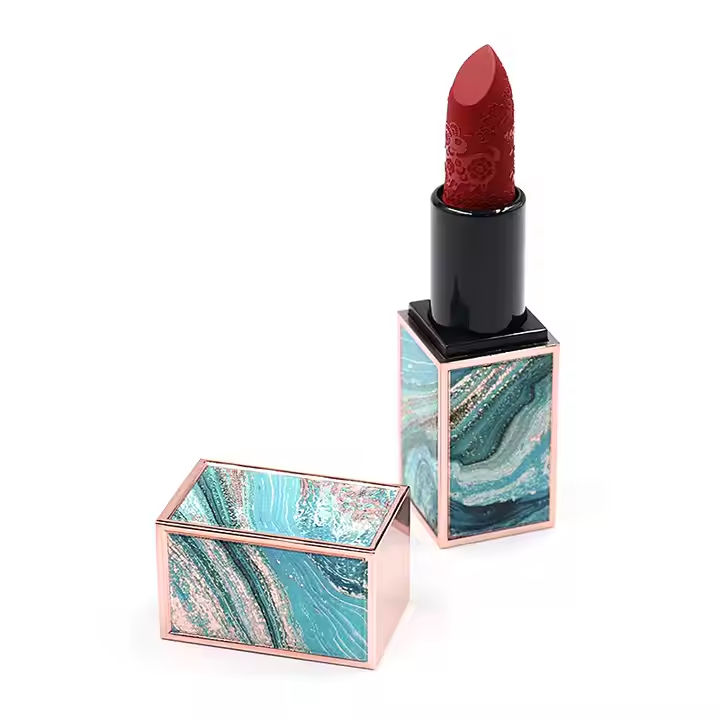
Dudak balsamları, ağız yoluyla maruziyet riskleri, sıcaklık hassasiyeti ve doğrudan mukozal temas nedeniyle benzersiz derecede katı GMPC zorunluluklarına tabidir. Temel gereksinimler şunlardır:
| Kritik Test | Frekans | Uygunluk Eşiği |
|---|---|---|
| Koruyucu Etkinliği | : Formül değişikliği başına | : 28 günde ≥3 log azalma |
| Ağır Metal Taraması | Yıllık | : Kurşun <10 ppm |
| Konteyner Uygunluğu | Yeni Ambalaj | : 40 °C’de sıfır liç olma |
Uyumsuzluk ciddi sonuçlar doğurur: Ortalama cezalar 740.000 ABD Doları'nı aşmaktadır (Ponemon Enstitüsü, 2023). OEM'ler ayrıca, nane-vanilya gibi bitkisel karışımların tutarlı etkinliğini ve duyusal performansını sağlamak amacıyla pH dalgalanmaları (4,5–8,5) boyunca formülasyon kararlılığını da doğrulamak zorundadır.
Dudak balsamları üretirken IFRA ve FEMA standartlarına uymak yalnızca önerilmekle kalmaz, aynı zamanda zorunludur. Bunun nedeni? Dudaklar yüzlere dokunur, bazen yanlışlıkla yenilir ve mukoz membranlar aracılığıyla maddeleri emer. Bu da, cilt üzerinde kalan diğer bakım ürünlerine kıyasla bileşen sınırlarının çok daha sıkı tutulması gerektiğini gösterir. Bitkisel tatlar söz konusu olduğunda bu maddeler, limonen gibi reaksiyonlara yol açabilecek maddeler veya linalool gibi alerjik tepkilere neden olabilecek maddeler için güvenli seviyeler içinde kalıp kalmadıklarını belirlemek amacıyla toksisite testlerinden geçirilir. Örneğin, adaçayı (wintergreen) özünden elde edilen metil salisilatın kullanımı sadece %0,04 oranına kadar sınırlıdır. Nane yağı da dudakları tahriş etmeden hâlâ tüketicilerin sevdiği ferahlatıcı naneli hissi verebilecek şekilde %1,6’lık bir üst sınır ile sınırlandırılmıştır. Tüm bu standartlara karşı bağımsız üçüncü parti sertifikalar alınması, şirketlerin ileride ortaya çıkabilecek yasal sorunlardan kaçınmalarını sağlar ve ürünleri dudaklar için güvenli olduğu iddiasıyla dürüstçe pazarlamalarına olanak tanır; bu durum hem denetim kurumlarının dikkat ettiği hem de tüketici tarafından dudak bakımı ürünleri satın alınırken takdir edilen bir özelliktir.
Nane-vanilya gibi doğal karışımlar, üretim, depolama ve kullanım sırasında bozulmayı önlemek için hassas stabilizasyon stratejileri gerektirir. Vanilyanın kristalleşmeyi engellemek için pH’sı 5,5–6,2 aralığında sıkı bir şekilde kontrol edilmelidir; nane özleri, oksidasyonu yavaşlatmak ve serinlik etkisini korumak amacıyla mikroenkapsüle edilir. Temel koruyucu önlemler şunlardır:
Gerçek zamanlı yaşlandırma deneyleri, bitkisel formüllerin 25 °C’nin altında saklandığında kokusunun ≥ %95’inten fazlasını koruduğunu göstermektedir—bu da ürünün üretim hattından tüketici uygulamasına kadar tutarlılığını doğrular.
Dudak balsamı için sürdürülebilir ambalaj seçimi, yalnızca çevresel niyet değil; fonksiyonel mükemmellik gerektirir. Üç öncü seçenek, bariyer performansı, kullanım sonrası gerçekliği ve maliyet açısından belirgin farklılıklar sunar:
2024 yılı NielsenIQ anketi, tüketici grubunun %72’sinin dudak bakımı ürünleri için çevre dostu ambalaj tercih ettiğini, ancak bu ürünlerin performansını olumsuz etkilemesi durumunda %68’in ürünü terk edeceğini doğrulamaktadır—bu da bölgesel atık sistemleri ve marka konumlandırmasıyla uyumlu, kanıta dayalı malzeme seçiminin gerekliliğini vurgular.
| Malzeme | Ortalama Raf Ömrü | Bariyer Gücü | Kullanım Sonrası Gerçeklik | Maliyet Farkı |
|---|---|---|---|---|
| PCR Alüminyum | 18–24 ay | ★★★★★ | %30 geri dönüştürülmüş | +15–20% |
| Şeker kamışı PE | ~12 ay | ★★★★☆ | %10’dan az kompostlandı | +10–15% |
| Evde Kompostlanabilir Filmler | ≤9 ay | ★★★☆☆ | <%5 oranında kompostlandı | +20–30% |
İyi bir OEM ortağı bulmak, aslında birlikte çalışan üç temel şeye indirgenir: üretim kapasitelerini ne kadar iyi ölçeklendirebildikleri, bilimsel uzmanlıkları ve operasyonları konusunda şeffaf olup olmadıkları. Minimum Sipariş Miktarı (MOQ) değerlerine bakarken, bunları sadece sabit rakamlar olarak değil, aynı zamanda bir şirketin ne kadar esnek olduğunu gösteren göstergeler olarak değerlendirmelisiniz. İyi ortaklar genellikle ambalajın karmaşıklığına veya formülde yeni bir bileşen olup olmamasına bağlı olarak yaklaşık 500 ile 5.000 birim arasında değişen MOQ aralıkları sunar. Bu durum, başlangıç aşamasındaki şirketlerin bütçelerini zorlamadan harekete geçmesine olanak tanırken, aynı zamanda tüm GMP/C gereksinimlerini karşılamalarını da sağlar. Formülasyon deneyimi de oldukça önemlidir. En iyi OEM’ler, aromaların IFRA/FEMA standartlarını karşılamasını sağlamak, özel kokular üzerinde hızlı testler yapmak ve bitkisel içerikli bileşenler için doğru pH seviyesini ayarlamak gibi araştırma ve geliştirme süreçlerinde destek verir. Mikrobiyolojik analizler ve kimyasal analizler için kendi laboratuvarlarına sahip olmalıdırlar. Ölçeklenebilirlikle ilgili gerçek kanıtları da kontrol etmelisiniz. İlk parti için teslim süresi ideal olarak 8 hafta altında olan, stok durumuyla ilgili gerçek zamanlı güncellemeler sağlayan ve tedarik sıkıntısı yaşandığında (örneğin vanilya fasulyesi kıtlığı ya da nane yağı fiyatlarındaki ani artış gibi durumlarda) alternatif planlar geliştiren şirketleri tercih edin. Maliyet analizleri, ham madde maliyetlerinden işçilik ücretlerine, test ücretlerine ve sertifikasyon masraflarına kadar her şeyi açıkça kapsamalıdır. Ayrıca gizli formüllerin korunması amacıyla güçlü gizlilik anlaşmalarının (GGA’lar) mutlaka bulunması gerekmektedir. 2023 yılında BeautyScoop tarafından yapılan son bir ankete göre, gelirlerini iki yıl içinde üç katına çıkaran markaların çoğu (%68 civarı), sağlam kalite kontrol süreçlerine, hızlı iş akışlarına ve dudak ürünleri formülasyonlarında uzmanlığa sahip bir OEM ortağına sahip olmalarını başarılarının temel faktörlerinden biri olarak belirtmiştir.
En yeni modellerimizi ve tekliflerimizi ilk siz öğrenin.
Room 501, No. 279-6, Dabutou Village, Songyuansha Community, Guanhu Street, Longhua District, Shenzhen, China
Copyright © 2026 Shenzhen Joyo Cosmetics Co., Ltd. All rights reservedGizlilik Politikası
 EN
EN
 AR
AR FR
FR DE
DE IT
IT PT
PT RU
RU ES
ES IW
IW VI
VI TH
TH TR
TR MS
MS