Когда актёры находятся под ярким сценическим освещением или подвергаются воздействию спецэффектов, обычный макияж просто не выдерживает испытания. Исследования показывают, что он может терять около половины своей чёткости на сцене, из-за чего лица выглядят плоскими, а выражение эмоций становится плохо различимым уже за третьим рядом. тени для век вступают в игру. Эти продукты работают по-другому, поскольку содержат молекулы пигментов, которые отражают свет, а не поглощают его. Это означает, что глаза остаются выразительными и чётко очерченными даже у зрителей, сидящих в самом дальнем ряду балкона, или при крупном плане в кадре. Театральные продюсеры хорошо это знают: современные светодиодные системы и многочисленные вспышки зачастую «смывают» обычный макияж. Благодаря этим специальным пигментам цвета сохраняют свою насыщенность и точность — что абсолютно необходимо для передачи тонких эмоциональных нюансов на больших сценах. Кинокоманды также ценят такие средства: плотные формулы предотвращают неприятный эффект «растекания», при котором цвета сливаются под объективами HD-камер, а стойкость позволяет выдержать целые съёмочные сцены без необходимости постоянного корректирования. В результате мы получаем значительно более сильное эмоциональное повествование: каждый взгляд несёт нужную выразительность — будь то зритель в заднем ряду переполненного театра или же зритель, наблюдающий за происходящим на экране в кристально чётком разрешении.
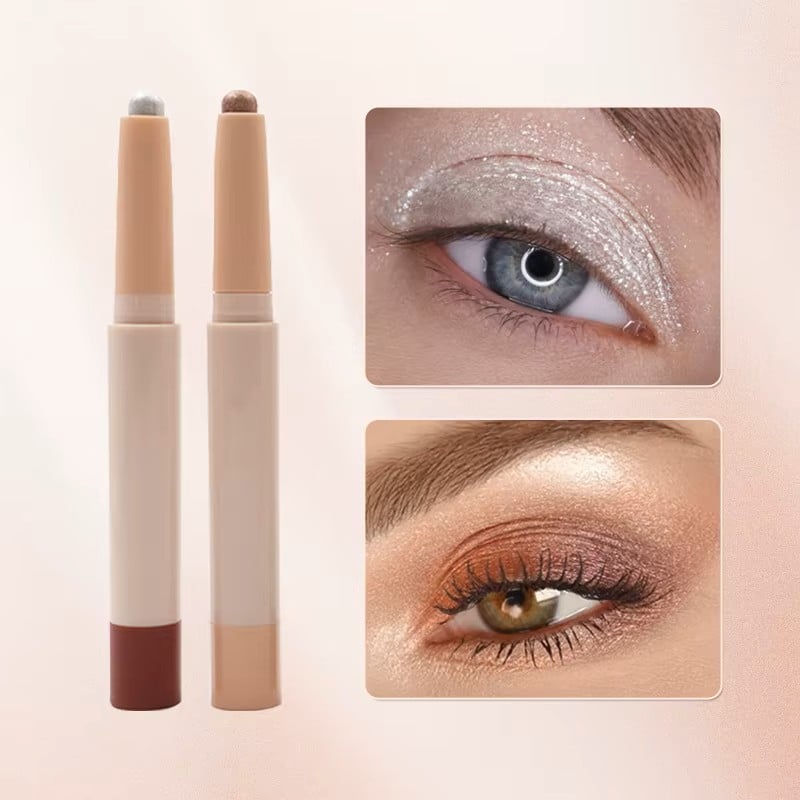
Тени для век с высокой концентрацией пигмента получают насыщенные цвета благодаря микроскопическим частицам размером менее 10 микрон. Согласно исследованию, опубликованному в прошлом году в журнале «Cosmetic Science Journal», эти сверхтонкие гранулы отражают свет в три раза интенсивнее, чем обычные формулы. Что удерживает все эти яркие частицы на веках? Специальные связующие агенты. Полимеры на основе силикона и воскоподобные вещества растительного происхождения помогают закрепить пигменты, обеспечивая их стойкость во время нанесения и предотвращая растекание. Синтетические компоненты образуют эластичные плёнки, повторяющие движения лица, что увеличивает стойкость макияжа. Для тех, кто предпочитает натуральные ингредиенты, прекрасно подходит воск канделильи: он обеспечивает лёгкое и равномерное растушёвывание цветов на коже без потери их насыщенности. Когда производители находят оптимальный баланс между концентрацией пигмента и содержанием связующих компонентов, они создают продукты, которые можно наносить слоями для максимального эффекта и которые при этом сохраняют стойкость даже под ярким освещением и в условиях повышенной потливости во время живых выступлений.
Матовые покрытия обладают высокой насыщенностью пигмента, поскольку они поглощают свет вместо того, чтобы отражать его, обеспечивая чёткую контрастную прорисовку — то, что особенно важно для зрителей, сидящих далеко в задних рядах театра. Существуют также металлические краски, содержащие мельчайшие частицы слюды, которые улавливают и рассеивают свет, делая цвета ярче, особенно под театральным освещением. Некоторые исследования показывают, что при снижении освещённости интенсивность восприятия цветов может возрасти примерно на 40 %. Переливающиеся покрытия идут ещё дальше: в них добавляются измельчённые жемчужные частицы, создающие эффектные объёмные, многомерные оттенки. Однако будьте осторожны: избыток переливающего компонента может ослабить реальную насыщенность пигмента. При работе с камерами матовые тона помогают избежать нежелательного эффекта «свечение» (bloom) в записях в формате 4K, тогда как металлические варианты особенно выделяют черты лица на экране. Большинство театральных актёров хорошо знают этот приём: сначала наносится матовая базовая основа, а затем аккуратно добавляются металлические акценты там, где это необходимо, чтобы макияж оставался стабильным вне зависимости от типа освещения во время спектакля.
Профессиональные среды, такие как театр, кинематограф и создание спецэффектов, предъявляют неумолимые требования к косметическим средствам. Теневые тени с высокой пигментацией обеспечивают безупречную видимость и точную передачу художественного замысла в различных медиа — в отличие от повседневного макияжа, который теряет эффективность при экстремальном освещении и высоких требованиях к разрешению.
Яркие софитные огни в наши дни сильно «съедают» те тонкие цветовые оттенки, которые мы так старательно подбираем. Именно поэтому использование пигментов высокой плотности даёт такой заметный эффект — они буквально противостоят выцветанию. Матовые финиши также работают превосходно, поскольку не отражают свет во все стороны, как глянцевые, обеспечивая стабильный и единообразный внешний вид макияжа независимо от того, с какого места в зале зритель наблюдает за выступлением. Что касается сияющих продуктов, то нашим «секретным оружием» для предотвращения сероватого оттенка под синим или зелёным софитным освещением служат тщательно измельчённые частицы. Мы выяснили, что тёплые бордовые оттенки вместо обычного розового обеспечивают значительно большую глубину восприятия при наблюдении издалека, со зрительских мест. И, разумеется, нельзя забывать о правильном наложении слоёв макияжа — это помогает сохранить покрытие безупречным даже во время потных выступлений и спешных смен костюмов между номерами.
Современные камеры высокого разрешения и 4K-камеры фиксируют все виды дефектов, которые невидимы невооружённым глазом. Некачественные тени для век склонны к «расплыванию», создавая при попадании студийного света туманный эффект по краям. Хорошая новость заключается в том, что современные формулы используют усовершенствованные связующие агенты, предотвращающие растекание пигментов, благодаря чему чёткие линии сохраняются на месте. Достижение точной цветопередачи требует подбора пигментов, устойчивых к искажению в необычных условиях освещения, с которыми так любят «играть» цифровые камеры. Большинство визажистов тестируют косметические средства при различных типах освещения, чтобы выявить потенциальные проблемы заблаговременно. Например, оттенок церулевого может прекрасно смотреться на веках модели, но при съёмке превратиться в нечто близкое к бирюзовому — такое изменение полностью разрушает весь образ, поэтому тщательное тестирование гарантирует, что то, что выглядит правильно в реальности, остаётся верным и на экране.
В профессиональной сцене и средах с использованием спецэффектов тени для век должны выдерживать экстремальные условия — высокую температуру, влажность и физические движения — сохраняя при этом насыщенный цвет и не растекаясь. Эффективные методы стойкого нанесения исключают необходимость подправки в течение выступления и обеспечивают постоянное визуальное воздействие даже при ярком освещении или съёмке в формате HD.
Достижение стойкости без растекания начинается с использования не содержащего масел и долговечного праймера, который создаёт клейкую основу, контролирует выработку себума и предотвращает образование складок. Нанесите тонкий и равномерный слой по векам и дайте ему подсохнуть в течение 30 секунд — этот этап повышает адгезию пигмента на 70 % по сравнению с нанесением на чистую кожу.
Для наложения слоев используйте тонкие, накапливаемые нанесения теней для век с высокой пигментацией. Начните с нейтральной основы, затем постепенно усиливайте цвет в складке и внешних уголках глаз легкими похлопывающими движениями — не размазывая — чтобы добиться максимального эффекта и минимизировать осыпание. Делайте перерыв между слоями 10–15 секунд, чтобы избежать пятнистости и обеспечить равномерное распределение.
Чтобы правильно зафиксировать макияж, либо опрыскайте лицо фиксирующим спреем тонким мелкодисперсным распылением с расстояния около 20–25 см, либо аккуратно нанесите прозрачную рассыпчатую пудру по векам мягкой кистью. Такое сочетание создаёт защитный слой, который сохраняет яркость цветов даже при воздействии пота или движений. Однако не увлекайтесь пудрой — её избыток может вызвать сухие участки и трещины, особенно заметные при сценическом освещении. Большинство людей отмечают, что при строгом соблюдении этих шагов макияж остаётся безупречным значительно дольше обеденного времени — иногда целый день, не теряя блеска и свежести.

Будьте первыми, кто получит наши новейшие модели и предложения.
Room 501, No. 279-6, Dabutou Village, Songyuansha Community, Guanhu Street, Longhua District, Shenzhen, China
Copyright © 2026 Shenzhen Joyo Cosmetics Co., Ltd. All rights reservedПОЛИТИКА КОНФИДЕНЦИАЛЬНОСТИ
 EN
EN
 AR
AR FR
FR DE
DE IT
IT PT
PT RU
RU ES
ES IW
IW VI
VI TH
TH TR
TR MS
MS