Vegan blush excludes animal-derived ingredients, while cruelty-free products ensure no animal testing occurred during development. These terms aren't interchangeable—a vegan product could still be tested on animals. For example, clean beauty standards require brands to meet both criteria to avoid misleading claims.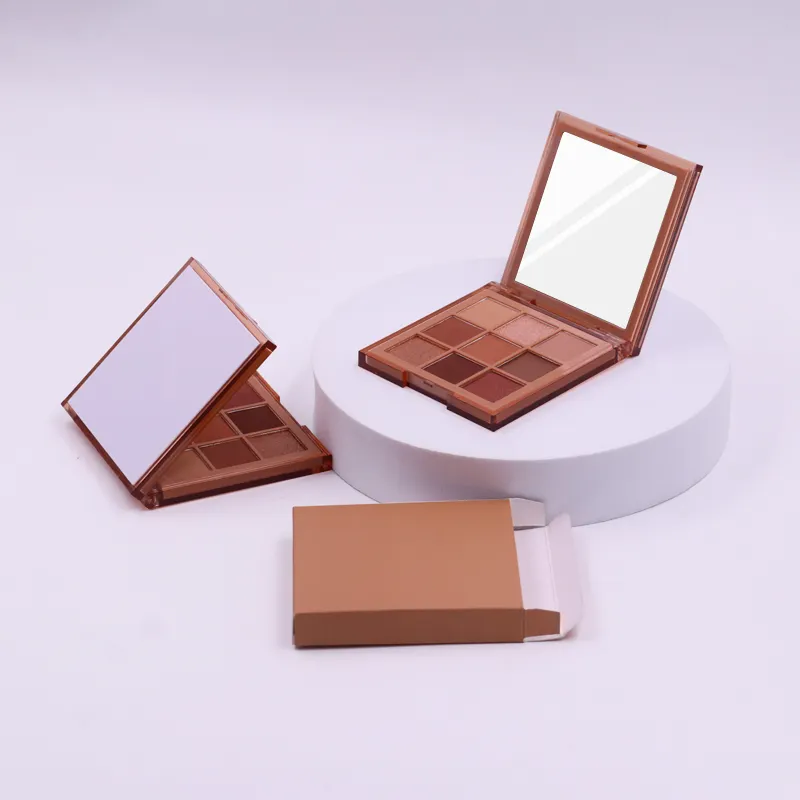
Carmine (derived from crushed beetles), lanolin (from sheep's wool), and shellac (insect resin) are common in conventional blushes. Plant-based alternatives like beetroot extract and algae-derived pigments now offer rich, vibrant color without ethical trade-offs.
Third-party certifications verify that brands audit their supply chains and production methods for ethical compliance. The Beauty Without Bunnies program certifies over 50,000 products annually, requiring yearly renewals—meeting growing consumer demand, with 58% of shoppers prioritizing certified products (2024 Nielsen data).
The 2025 vegan blush market combines ethics with high performance. According to the data2025 Beauty Innovations Report, top formulas deliver skin - friendly textures, pigment - rich botanicals, and a verified cruelty - free status, redefining clean beauty without sacrificing wear time or vibrancy.
This liquid blush blends seamlessly from a natural flush to bold coverage. Its lightweight texture is ideal for sensitive skin, featuring a patented dispersion system that prevents patchiness. The vegan formula uses synthetic pigments to replicate the depth of carmine across its rosewood - to - berry shade range.
A cream - powder hybrid offers 12+ hours of humidity - resistant wear thanks to plant - based polymers. Available in 20 shades, from soft terracottas to vivid fuchsias, it flatters all skin tones. The dual - ended design includes a cruelty - free synthetic brush for precise application.
This gel - cream mimics a natural cheek flush with a translucent tint. Beta - carotene from carrots and beetroot extract provide buildable color, while glycerin delivers a dewy, non - sticky finish. It layers smoothly over sunscreen, perfect for effortless, “no - makeup” looks.
Housed in 100% post - consumer recycled packaging, this palette features six mineral and seed - derived shades, from ruby iron oxide to peach annatto. Magnetic refill pans reduce waste, and the talc - free, bismuth oxychloride–free formula minimizes irritation risks.
This multi - use stick blends jojoba esters and raspberry seed oil for a creamy, demi - matte finish. Concentrated pigments ensure bold color in one swipe. Infused with hyaluronic acid and vitamin E, it boosts skin hydration by 19% in clinical tests.
Vegan blush products are taking off big time right now. About two thirds of consumers want makeup that doesn't involve animals according to the 2024 Clean Beauty Report. And Statista backs this up showing the market grew nearly 38% from 2022 onwards while people increasingly say no to red stuff made from insects like carmine. Modern shoppers aren't just looking for good color payoff anymore though they also want real evidence their cosmetics are cruelty free. Certifications matter a lot these days with many reaching for products bearing either Leaping Bunny approval or those labeled under PETA's Beauty Without Bunnies program.
Recent advances in how we extract colors from plants have really boosted the quality of vegan pigments so they can compete with regular dyes on the market. Take beetroot lycopene for instance, along with those vibrant reds coming straight from algae these days actually stand up pretty well against what's been used traditionally. The latest plant based binders are making cosmetics last longer too about 18 percent longer than those old mineral based ones were doing before. What makes all this possible? Well part of it comes down to CRISPR technology applied to certain plants, plus some clever work with emulsifiers created from leftover fruit scraps after processing. And get this the resulting color formulations seem to adjust themselves somewhat to different skin types which is pretty impressive when you think about it.
Natural polymers such as cassava starch and films made from algae actually help make vegan blush last longer on skin. What happens is these plant based materials create sort of flexible webs inside the product that hold onto color particles really well, even when faces move around naturally throughout the day. They beat out those hard silicone ingredients commonly found in makeup which tend to break down and flake off especially bad in hot weather situations. Some tests back in 2025 found that vegan makeup stayed put about 62 percent longer after sitting on skin for eight whole hours than regular products containing animal fats. That kind of staying power makes a big difference for people who want their makeup to look fresh all day long without constant touch ups.
Top brands now use multi-phase systems combining cellulose esters with cold-pressed botanical oils, replacing beeswax and lanolin. A comparative trial revealed clear advantages:
| Performance Metric | Vegan Binder Tech | Traditional Formulas |
|---|---|---|
| Humidity Resistance (75% RH) | 12-hour fade-proof wear | 5-hour color degradation |
| Reapplication Frequency | 1x daily | 3x daily |
| Skin Compatibility | pH 5.5-balanced | Alkaline pH (7.8 avg) |
These vegan binders also enable 40% higher pigment dispersion, proving ethical formulas can surpass conventional ones in performance and skin compatibility.
By excluding irritants like carmine and lanolin—linked to 23% of cosmetic-related contact dermatitis cases (American Academy of Dermatology 2025)—vegan blushes are gentler on sensitive skin. Mineral and synthetic pigments reduce contamination risks and support cleaner, safer application.
Today's vegan blushes incorporate powerful botanicals that nourish skin while adding color:
These ingredients work with mineral pigments to fight free radicals and enhance radiance—transforming vegan blush into a skincare-infused essential.
Be the first to get our latest styles and offers.
Room 501, No. 279-6, Dabutou Village, Songyuansha Community, Guanhu Street, Longhua District, Shenzhen, China
Copyright © 2026 Shenzhen Joyo Cosmetics Co., Ltd. All rights reservedPrivacy policy
 EN
EN
 AR
AR FR
FR DE
DE IT
IT PT
PT RU
RU ES
ES IW
IW VI
VI TH
TH TR
TR MS
MS