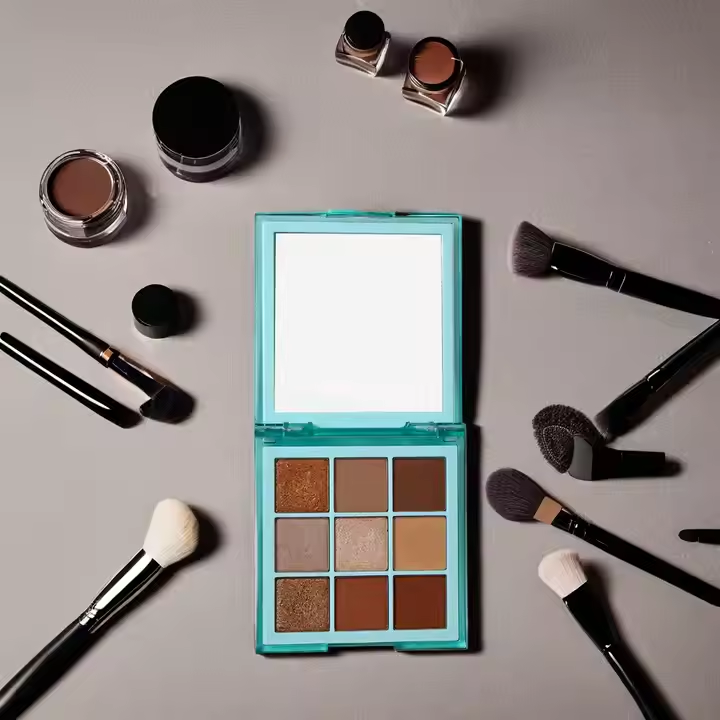
Private label brands can get their hands on pro-level eyebrow tools through OEM partnerships without breaking the bank on factory setup costs. When working with OEMs, companies keep all the creative freedom they want for designing products, picking materials, and protecting their IP, but let someone else handle the actual manufacturing process. Industry insiders in cosmetics manufacturing say these arrangements cut down initial expenses anywhere from 60 to 75 percent versus trying to run everything internally. Plus, customers still get top notch quality in things like eyebrow pomade formulas, brush designs, and those little plastic spatulas that come with most kits. Many small beauty brands have successfully launched this way, focusing their resources on marketing and customer experience instead of dealing with production headaches.
When companies want their own branded products made exactly to spec, they turn to OEM services which take client designs and formulations and turn them into finished goods with complete customization options. On the flip side, ODM manufacturers work with pre-existing product kits, making only small tweaks like adding logos or changing packaging colors. Recent market research from 2023 shows something interesting about these approaches in the beauty sector. Brands that went the OEM route saw their products stand out on shelves much quicker than those relying on ODM solutions. While 78% of OEM users reported faster differentiation, only around a third (34%) had similar success with ODM. For businesses looking to create truly distinctive offerings, OEM makes more sense when standard kits don't cut it. Think about things like brushes designed for sensitive skin or special formulas that can't be found off the shelf anywhere else.
Strategic OEM partnerships empower brands to integrate multiple innovations into a single kit:
These tailored configurations help emerging brands stand out by addressing specific market demands through purpose-driven product design.
Good Manufacturing Practice for Cosmetics (GMPC) certification enforces strict hygiene and quality standards in eyebrow set production. Facilities without GMPC certification were found to have 47% higher microbial contamination rates than compliant ones. Key requirements include:
ISO 22716 implementation studies show certified facilities reduce cross-contamination risks by 89%, which is critical for products used near sensitive facial areas.
More and more global retailers are asking for both GMPC and ISO22716 certifications these days. The numbers back this up too - around 7 out of 10 EU distributors simply won't accept shipments that don't meet these standards according to 2023 figures. Speaking of requirements, EU Regulation 1223/2009 basically forces companies wanting to sell there to follow ISO 22716 guidelines. Meanwhile over at the FDA, inspectors have started looking at GMPC documents as part of their routine checks. Companies that partner with certified OEMs tend to see a pretty big difference in outcomes. They face about two thirds fewer product recalls compared to others, and they save themselves from those nasty fines that can run into hundreds of thousands on average ($740k specifically according to Ponemon's research from last year).
Key compliance vulnerabilities include:
To mitigate these risks, proactive brands implement:
When companies work with OEM manufacturers, they can create application tools that really meet what users need day to day. Take brushes for example - good ones have ergonomic designs where the bristles are just right for different products. Soft synthetic bristles work best for powders while stiffer nylon handles pomades much better. Most pros know this stuff matters. Industry surveys show around 62 percent of makeup artists care more about how well a tool works than how it looks. That makes sense when thinking about daily use. The handle shape, weight distribution, and overall finish all play into whether someone will actually want to pick up the brush again tomorrow.
The best selling beauty brands are combining around 3 to 5 different products together these days. Think long lasting gels that hold for 24 hours straight, those handy dual ended pencils in basic taupe colors most people can use, plus some of those tiny spool brushes everyone needs but forgets to buy separately. When customers pick up these bundled kits instead of just one item, stores see their average sale jump by nearly $20 according to Beauty Retail Analytics from last year. Manufacturers working with these brands have started offering special custom formulas too. They make vegan wax based pomades and gels that won't smear or cause allergic reactions under EU regulations. This lets companies target specific customer groups, especially folks who struggle with sensitive skin issues.
Sustainable packaging is a key differentiator, with 48% of consumers willing to pay 12% more for recyclable materials. Leading brands leverage:
This fusion of function and sustainability strengthens brand loyalty and enhances unboxing experiences.
A clean beauty brand achieved 340% year-over-year growth by partnering with an OEM to develop a fully customized eyebrow kit featuring:
The result was a 4.9-star average rating across 8,300+ reviews, demonstrating how cohesive product design rooted in brand values drives both customer satisfaction and commercial success.
When looking for OEM partners, focus on those who have actually worked on eyebrow products before. Companies with GMPC and ISO22716 certifications are following international standards for safety and quality, which cuts down regulatory headaches significantly compared to places without these credentials according to recent industry reports. Take a good look at what they've made previously too. Does their work include things like eyebrow brushes, shaping gels, or specialized pomades? We've seen time and again that suppliers who specialize specifically in eyebrow tools tend to come up with better designs and more accurate products than generic manufacturers who just slap together whatever comes next on their production line.
Brush makers who specialize in their craft really stand out when it comes to creating comfortable handles and superior bristle materials, which is exactly what companies looking to innovate their tools need. On the other side of things, full service OEM partners handle everything from start to finish including all the packaging work, label printing, and putting together complete kits, which cuts down on a lot of headaches for businesses. The choice between these options depends largely on business size and what matters most. Smaller brands often find value in working with specialized manufacturers because they can tweak details more easily. Larger companies launching big product runs typically benefit from going with full service providers since they take care of so many operational aspects at once.
According to Statista from last year, around two thirds of people buying beauty products are leaning towards brands that care about the environment. This has forced original equipment manufacturers to start thinking green too, looking at things like packaging that breaks down naturally and ingredients sourced without harming animals. Companies that work with partners who follow ethical production methods tend to build stronger trust with customers while also staying ahead of what regulators might demand next. When shopping for manufacturing partners, it makes sense to check how much renewable power they actually use, whether they have real programs for cutting down waste, and if their supply chains are open books rather than black boxes. These factors help make sure businesses stay true to what today's conscious consumers really want.
The OEM process follows nine key stages:
Manufacturers completing this workflow in under 100 days achieve 27% faster time-to-market than industry averages (McKinsey 2023 Cosmetic Production Report).
ISO22716-certified facilities enforce triple-check quality protocols:
These measures reduce quality incidents by 89% compared to non-certified producers (Global Cosmetic Safety Initiative 2023).
Top-performing OEMs use parallel processing to accelerate timelines:
| Process Phase | Time Saved | Risk Management Strategy |
|---|---|---|
| Material Procurement | 22 days | Dual-vendor contingency contracts |
| Regulatory Approval | 18 days | Pre-submission compliance audits |
| Packaging Production | 14 days | Digital twin simulations |
This strategy maintains full GMPC compliance while achieving 98% on-time delivery—essential for seasonal launches requiring rapid shelf placement.
Be the first to get our latest styles and offers.
Room 501, No. 279-6, Dabutou Village, Songyuansha Community, Guanhu Street, Longhua District, Shenzhen, China
Copyright © 2026 Shenzhen Joyo Cosmetics Co., Ltd. All rights reservedPrivacy policy
 EN
EN
 AR
AR FR
FR DE
DE IT
IT PT
PT RU
RU ES
ES IW
IW VI
VI TH
TH TR
TR MS
MS