Highlighter makeup is going through something of a revolution right now, thanks to all sorts of market changes and new tech coming together. People want products that do multiple things at once these days, especially ones that combine skincare good stuff with actual makeup benefits. The numbers back this up too. According to recent market reports, around 35% of high end beauty products launched last year were these hybrid formulas that mix both aspects. What's interesting is how this so called "skinification" movement actually fits what highlighters already do best. They give that nice glow effect but also help keep skin healthy underneath by adding moisture, scattering light in ways that look natural, and including ingredients that protect the skin barrier without feeling heavy or greasy.
Recent breakthroughs in material science have made some pretty amazing textures possible. Bio silica gels now stop pigments from sinking in liquid products, and new micro pulverization methods let powders feel almost weightless on skin like a second layer. Social platforms definitely speed things up too. Those viral videos showing "glass skin" effects get around 15 million views each month, which puts pressure on companies to keep coming out with fresh formulas fast. What does all this mean for original equipment manufacturers? They're seeing higher requests for stable formulations that work across different climates, production systems that can scale easily, and ingredients that are actually green not just marketed as such. The industry needs to hit two targets by 2026 really well performing products alongside real sustainability claims that customers can trust.
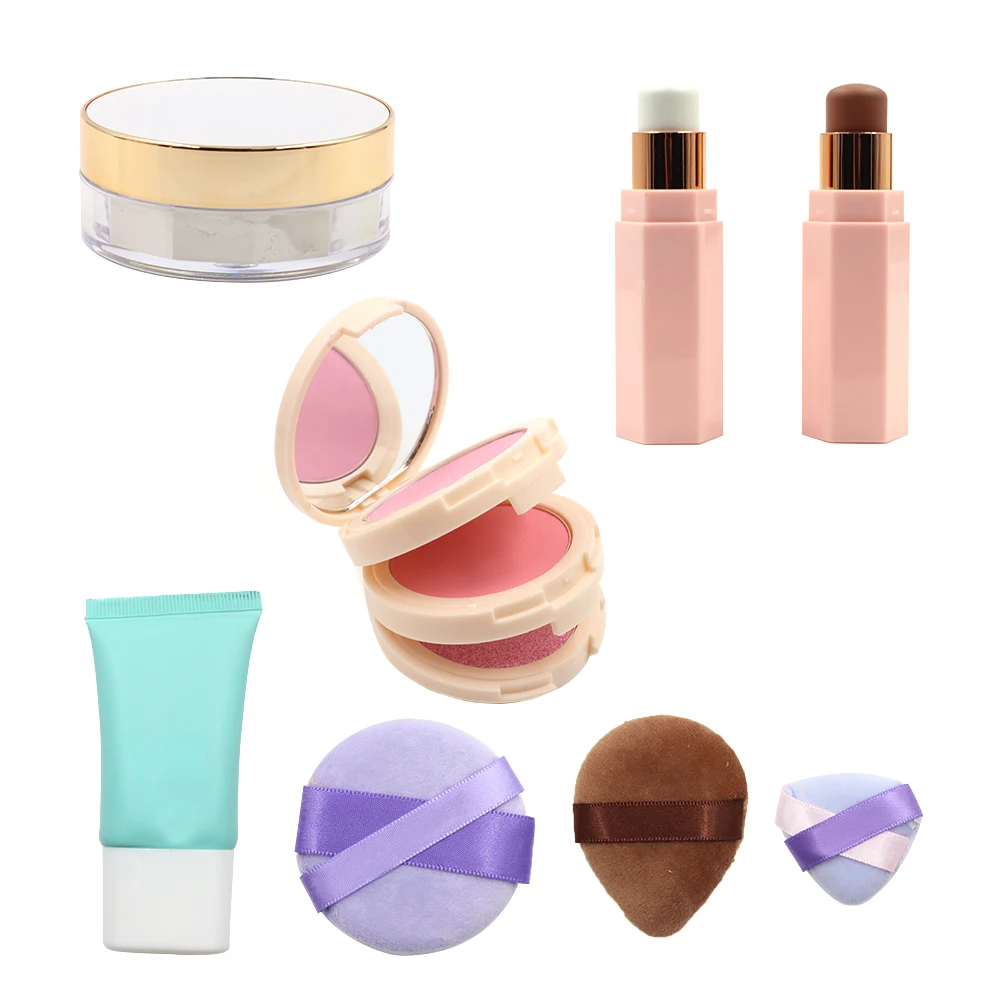
Liquid highlighter innovations are fueling 2026’s customization surge—delivering seamless blendability, 12-hour wear, and unprecedented adaptability across skin types and climates. Unlike legacy formulas, modern liquids integrate with skin texture rather than sitting atop it, avoiding pore emphasis or patchy settlement.
Three format innovations are redefining application expectations. Balmy systems melt at skin temperature for effortless buffing; serum-like variants deliver ultra-thin, natural-looking radiance; and stick-based formats combine mess-free precision with twist-up convenience.
Each supports agile OEM customization:
This modularity allows manufacturers to iterate prototypes without retooling production lines—cutting time-to-market and expanding regional relevance.
Encapsulation technology resolves long-standing stability challenges. Encapsulated mica particles resist oxidation and separation, extending shelf life by 18 months. Bio-silica gels—derived from mineral sources—form breathable, non-transfer films that lock in luminosity while allowing skin to breathe.
OEM advantages include:
Together, these ensure consistent glow delivery across diverse humidity levels and skin chemistries—without reformulation per market.
Today's powder highlighters work their magic thanks to super fine pearls measuring under 20 microns in size, giving them that beautiful, no-fallout glow we all want. When mixed with clear bases like silica and boron nitride, these products give skin a light-as-air finish that builds nicely without looking cakey on any complexion. The secret behind this smooth application? Jet milling techniques that spread those tiny particles evenly throughout the formula. This matters because when particles are distributed properly, makeup blends better and doesn't draw attention to skin textures. For manufacturers, this kind of careful engineering means they can produce larger quantities without compromising quality between batches. Plus, there's less need for preservatives since the formulation stays stable longer, making it easier for brands to market themselves as clean beauty options in today's competitive marketplace.
People are definitely looking for better performance from their makeup these days. According to McKinsey's Beauty Pulse report from 2025, around three quarters of consumers put durability and accuracy at the top of their list when it comes to highlighters. This has pushed original equipment manufacturers to get creative with their powder formulas, developing products that resist sweat and last through a full workday. The manufacturing process itself has become much more flexible too. Companies can tweak things like the balance between pearls and pigments to create different levels of coverage, all without breaking the bank. Plus, powders take up way less space than liquid alternatives, which means 30% less packaging waste during transportation. This fits right into what many shoppers care about nowadays regarding sustainability. As brands continue to listen closely to what customers want and adapt quickly in production, we're seeing powder highlighters become increasingly important in creating customized beauty experiences that actually deliver on promises.
When it comes to choosing between liquid and powder highlighters, manufacturers face what many consider a turning point in their product strategy. Liquid formulas give that beautiful, skin-like glow and work really well with skincare routines, which is why so many brands are pushing those dewy, natural looks in their balms, serums, and stick products these days. But there's a catch. These liquids need special packaging techniques and strict quality controls to stop them from separating over time. On the flip side, powders use those tiny crushed pearls mixed into clear bases to create intense color layers that last much longer. People who want makeup that stays put all day and fights shine tend to go for powders. According to recent market research from McKinsey's Beauty Pulse report in 2025, this makes sense because powder production lines are already pretty established. They take up less space in factories and let companies scale up production quicker without needing huge minimum orders to get started.
Critical evaluation factors include:
Balancing customization depth with production realities ensures OEMs deliver innovation that is both differentiated and dependable—meeting 2026’s dual imperative of creative agility and technical reliability.
Be the first to get our latest styles and offers.
Room 501, No. 279-6, Dabutou Village, Songyuansha Community, Guanhu Street, Longhua District, Shenzhen, China
Copyright © 2026 Shenzhen Joyo Cosmetics Co., Ltd. All rights reservedPrivacy policy
 EN
EN
 AR
AR FR
FR DE
DE IT
IT PT
PT RU
RU ES
ES IW
IW VI
VI TH
TH TR
TR MS
MS